Modern Car A/C Systems: What Drivers Should Know Before the Heat Hits

May 28, 2026

When the warmer weather rolls in, a working A/C system quickly becomes one of the most appreciated features in your car. But today’s automotive air conditioning systems do more than keep the cabin cool. They help manage humidity, support clearer visibility by assisting with defogging, and contribute to overall comfort inside the vehicle.


Modern automotive A/C systems are more advanced than many drivers realize. They depend on several parts working together, including the refrigerant, compressor, condenser, evaporator, blower motor, cabin air filter, sensors, and electrical controls. When one part of the system is not working properly, drivers may notice weak airflow, warm air from the vents, unusual noises, odors, or inconsistent cooling.

At Motorwerks Inc. in Mamaroneck, NY, A/C service and repair is one of the ways we help drivers stay comfortable, safe, and confident on the road. Understanding how today’s A/C systems work can make it easier to recognize early warning signs and schedule service before a small issue becomes a larger repair.

Your Car’s A/C Does More Than Keep You Cool

Most drivers think of air conditioning as the thing that makes summer traffic slightly more bearable.

But your A/C system also helps remove moisture from the air inside your vehicle. That matters when your windows fog up, especially during rainy, humid, or temperature-swing days. Foggy windows happen when moisture condenses on glass because of temperature differences, and using A/C can help dry the air moving through the system.


That means your A/C system can play a role in:

  • Cooling the cabin
  • Reducing humidity
  • Helping with windshield defogging
  • Improving comfort on long drives
  • Supporting airflow through the cabin
  • Helping keep passengers from melting into the seat seams


In short, A/C is not just a summer luxury. It is part of your vehicle’s overall comfort and visibility system.


How a Modern Car A/C System Works

Your car’s air conditioning system is basically a heat-moving machine. It does not “make cold” as much as it removes heat from inside the vehicle and moves it elsewhere.


Here’s the simple version.

The refrigerant circulates through the A/C system. The compressor pressurizes it. The condenser helps release heat. The expansion valve or orifice tube changes pressure. The evaporator absorbs heat from the cabin air. Then the blower motor pushes cooled air through the vents.

When everything is working properly, it feels effortless. You press a button, cold air comes out, and everyone in the car becomes a better person.


When something is wrong, you may notice:

  • Warm air from the vents
  • Weak airflow
  • Clicking, rattling, or buzzing noises
  • A musty smell
  • Foggy windows that do not clear well
  • A/C that works sometimes but not consistently
  • Cooling that is strong on one side but weak on the other
  • A compressor that will not engage


Modern A/C systems rely on the right refrigerant charge, correct pressures, working electrical controls, sensors, fans, and clean airflow. That is why guessing usually gets expensive fast.


Why “Just Add Freon” Is Not the Answer Anymore


A lot of people still say, “My car just needs Freon.”

We get it. That phrase has been around forever. But modern A/C service is more specific than that.


Older vehicles used refrigerants that have changed over time. Today, many newer vehicles use R-1234yf, while many older vehicles still use R-134a. These refrigerants are not interchangeable, and the system needs to be serviced with the correct equipment and process.


And here is the big point: if your A/C is low on refrigerant, there is usually a reason.


A sealed system should not simply “use up” refrigerant like fuel. If the refrigerant level is low, there may be a leak. Adding refrigerant without finding the cause can be like putting air in a tire with a nail in it. It may help for a minute, but the problem is still riding along with you.

Modern Refrigerant Matters

This is where A/C service has really changed.

The EPA lists HFC-134a with a global warming potential of 1,430 and HFO-1234yf with a global warming potential of 4. The EPA also states that HFO-1234yf is currently used in the majority of light-duty vehicles and is acceptable for many vehicle categories when required use conditions are followed.


For regular drivers, this means newer refrigerants are part of the auto industry’s move toward lower environmental impact, but they require the right training, handling, equipment, and care.


This is one of the reasons modern A/C service is not a backyard guessing game. A/C systems are pressurized, refrigerant handling is regulated, and the wrong refrigerant or improper service can create bigger problems.

The EPA requires anyone who repairs or services motor vehicle A/C systems for payment to be properly trained and certified under Section 609 of the Clean Air Act.


So yes, your A/C system has officially become fancy.

Common Signs Your Car A/C Needs Service

Your vehicle will usually give you clues before the A/C completely gives up .

Here are the signs to watch for.


Warm Air From the Vents

If your A/C is blowing warm or only slightly cool air, the issue may involve low refrigerant, a leak, compressor trouble, electrical problems, or a condenser issue.


Weak Airflow

Weak airflow may be caused by a clogged cabin air filter, blower motor issue, blocked vents, or problems inside the cars HVAC system


Strange Noises When the A/C Is On

Clicking, grinding, rattling, or squealing noises can point to compressor issues, belt concerns, fan problems, or loose components.


Musty or Damp Smells

A musty smell can come from moisture buildup, a dirty cabin air filter, or bacteria/mildew inside the evaporator area. Nobody wants their car smelling like a gym bag that joined a swamp.


Foggy Windows That Do Not Clear Well

Since A/C helps manage moisture, poor defogging can be connected to airflow, humidity, cabin filter, or A/C performance issues.


A/C Works Sometimes, Then Stops

Intermittent cooling can be caused by pressure issues, failing sensors, electrical problems, or a compressor that is starting to struggle.


What Happens During an A/C Diagnostic?

A good A/C inspection is not just that simple.

At Motorwerks Inc, the A/C service process includes checking the system, looking for leaks, evaluating refrigerant levels, testing components such as compressors, condensers, evaporators, blower motors, air filtration, and electrical components.


A proper A/C diagnostic may include:

  • Checking vent temperature
  • Inspecting visible A/C components
  • Verifying refrigerant type
  • Testing system pressures
  • Checking for leaks
  • Inspecting the compressor and condenser
  • Checking cooling fans
  • Testing blower motor operation
  • Inspecting cabin air filter condition
  • Reviewing electrical controls, sensors, and switches
  • Explaining what needs attention now versus what can be monitored


That last part matters. The goal is not to scare anyone into a repair. It is to find out what is actually happening and explain it clearly and show you using our Digital Vehicle Inspections.


Why You Should Not Wait Until the First Heat Wave


Here in Mamaroneck and throughout Westchester County, the first real warm stretch tends to wake everyone up at once.

That is when A/C problems suddenly become urgent.


Getting your A/C checked before peak summer can help you avoid:

  • Last-minute appointment stress
  • Sitting in traffic with warm air blowing on your face
  • Bigger repairs from ignored leaks or failing components
  • Poor defogging during humid or rainy days
  • Uncomfortable road trips
  • That one passenger who says, “Is the air even on?” every 45 seconds


If your A/C was weak last summer, noisy this spring, or smells a little questionable, now is the time to have it inspected.


Can A/C Problems Lead to Bigger Repairs?


Yes, they can.

For example, if your system is low on refrigerant due to a leak, the compressor may not receive proper lubrication. If airflow is restricted, the system may work harder than it should. If electrical issues are ignored, intermittent problems can become full failures.

The earlier you catch the issue, the easier it often is to prevent a small problem from turning into a larger repair.


That does not mean every A/C concern is a disaster. Sometimes it is a cabin air filter. Sometimes it is a small leak. Sometimes it is a sensor. The point is: testing beats guessing.

FAQ: Modern Car A/C Systems

Why is my car A/C blowing warm air?

Warm air can be caused by low refrigerant, a refrigerant leak, compressor issues, condenser problems, electrical faults, or cooling fan concerns. The best first step is a proper A/C diagnostic, not just adding refrigerant.

Does my car still use Freon?

Most people use the word “Freon” casually, but today’s vehicles may use different refrigerants depending on the year, make, and model. Older vehicles may use R-134a, while many newer vehicles use R-1234yf. The correct refrigerant should always be verified before service.

How often should I service my car’s A/C?

There is no one-size-fits-all schedule for every vehicle. A/C should be inspected if cooling performance drops, airflow weakens, strange smells appear, noises start, or the system has not been checked in a while before summer driving.

Is it normal for my A/C to lose refrigerant over time?

Your A/C system is sealed, so low refrigerant often means there may be a leak or another issue. A proper inspection can help find the cause instead of repeatedly topping off the system.

Why does my car A/C smell bad?

A musty smell may come from moisture buildup, a dirty cabin air filter, or buildup near the evaporator. Replacing the cabin air filter and inspecting the HVAC system can help identify the cause.

Why is the airflow weak even when the fan is high?

Weak airflow may be caused by a clogged cabin air filter, blower motor issue, blocked vents, or HVAC door/control problems. The A/C may still be cold, but the air may not be moving properly through the cabin.

Can I use my A/C in the winter?

Yes. Your A/C can help remove moisture from the air, which is why it may run during defrost mode. Using heat, A/C, and outside air can help clear fogged windows in colder weather.

What is R-1234yf refrigerant?

R-1234yf is a lower-GWP refrigerant used in many newer vehicles. The EPA lists it as currently used in the majority of light-duty vehicles and notes specific safety and service requirements.

When should I schedule an A/C inspection?

Schedule an inspection if your A/C is blowing warm air, smells musty, makes noise, has weak airflow, struggles to defog windows, or has not been checked before the summer heat arrives.

Schedule A/C Service in Mamaroneck, NY

If your car’s A/C is not cooling like it should, do not wait until the next humid New York day turns your commute into a rolling sauna.

Motorwerks Inc provides A/C service and repair in Mamaroneck, NY for all makes and models, with service for surrounding Westchester communities including New Rochelle, Larchmont, Harrison, Rye, White Plains, Scarsdale, Yonkers, Mount Vernon, Pelham, Eastchester, Tuckahoe, Bronxville, Port Chester, Greenburgh, Elmsford, and Dobbs Ferry.


Call Motorwerks Inc at (914) 304-2765, visit us at 645 Fayette Ave, Mamaroneck, NY 10543, or book online using the appointment button on our website.
Shake Off Winter Roads& Level Up Your Ride | Motorwerks Inc. Mamaroneck, NY
April 21, 2026
Rough winter? Our April Car Care Month checklist covers salt damage, batteries, fluids, and spring upgrades in Mamaroneck, NY.
By Christian Petrescu March 2, 2026
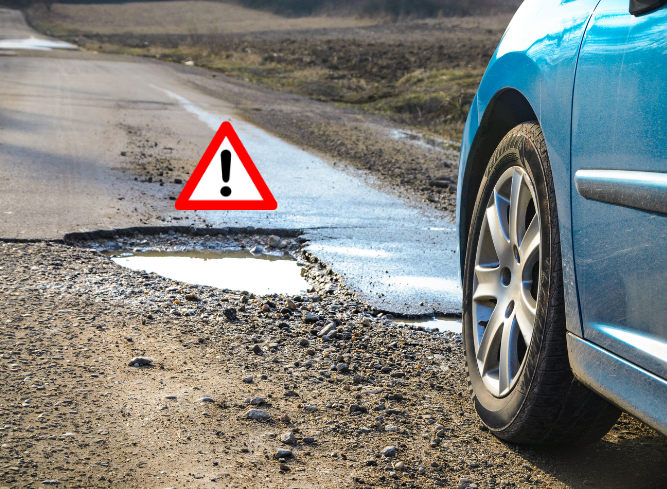
Potholes are a reality we all deal with, but they can wreak havoc on your car's performance.
By Christian Petrescu January 28, 2026
February in New York brings its own special blend of driving challenges: unpredictable snowstorms, freezing temps, and let’s not forget the pothole season making its grand entrance. Whether you're navigating the icy streets of Mamaroneck or heading up the Hutch in slushy conditions, this month is a test of endurance. Not just for drivers, but for your car too. At Motorwerks, Inc., we see a surge in cold-weather car troubles this time of year, and they’re not just random; they’re seasonal. Here’s what February means for your vehicle and how to keep it in top shape through the final stretch of winter. ❄️ Common February Car Problems in New York 1. Batteries: Cold temps are tough on batteries. If yours is more than 3 years old, it might be time to test its strength before you're left stranded. 2. Tire Pressure Dips: Tires lose pressure as temperatures drop, affecting traction and fuel economy. Check them weekly and inflate as needed. 3. Salt and Slush Buildup: All that road salt helps you stay on the road, but it's harsh on your undercarriage, brakes, and paint. Regular washes (yup, even in winter!) can prevent long-term corrosion. 4. Wiper Wear: Ice and grime wear down blades fast. If your wipers are streaking or squeaking, it’s time to swap them out. 5. Potholes: February is prime pothole season in New York. If your ride suddenly feels bumpier or your steering feels off, you might have a suspension or alignment issue that needs checking. đźš— Seasonal Tips for Safer Driving Keep an emergency kit in your car with a blanket, flashlight, jumper cables, and a phone charger. Top off all fluids, especially washer fluid, with antifreeze protection. Don’t ignore your check engine light. It's not just a suggestion in this weather. 🛠️ Don't Forget: New York State Inspections Are Due! If your inspection sticker says February (or even January), now’s the time to book your NYS inspection. Driving without one can result in a ticket, and if your car’s due for service, we can handle that along with any seasonal maintenance in one smooth visit. âś… Let’s Keep Your Car Running Right At Motorwerks in Mamaroneck, we know what New York winters do to cars. From tire rotations and oil changes to suspension checks and inspections, we’re here to help you finish winter strong and prepare for spring. Schedule your February service today—and don’t let the cold get the best of your car. 📞 Call us or book here.
By Christian Petrescu December 3, 2025
As we wrap up 2025, we wanted to take a moment to talk about one of the most essential and often misunderstood services we provide at Motorwerks: your annual New York State inspection. Whether you’ve been visiting us for years or just moved to the Mamaroneck area, this quick checkup plays a big role in keeping your car and our community safe on the road. đź”§ What Is a NY State Vehicle Inspection? Every vehicle registered in New York must pass a safety inspection and, in most counties, an emissions inspection once every 12 months. This isn’t just a formality; it’s the law, and more importantly, it’s a key step in ensuring the cars around you are in safe working condition. Safety inspection checklist includes: Brakes and brake lines Tires and wheels Lights and reflectors Steering, suspension, and chassis Windshield wipers, horn, seatbelts Mirrors, glass, fuel system, and more Emissions testing (aka the OBD-II test) checks your vehicle’s onboard diagnostics system for any issues related to engine performance or pollution control. This helps reduce harmful emissions and keeps your car running efficiently. âś… If your inspection sticker expires, you could be fined or have trouble renewing your registration. There's also the possibility of driving an unsafe vehicle. 🛠️ Inspections We Completed in 2025 This past year at Motorwerks, we performed hundreds of inspections for customers throughout Mamaroneck, Larchmont, New Rochelle, Harrison, Westchester, and surrounding areas. What we saw at the shop: Family sedans with squeaky brakes Work trucks in need of suspension work Hybrids and EVs ready for a clean bill of health Older cars needing a little TLC to pass Brand-new vehicles in for their first NY inspection With every inspection, we take our time and do it right. We take time to explain what we find, help you plan any necessary repairs, and always bring full transparency for fair and honest service. If your car doesn’t pass, we’ll walk you through what needs fixing, and in many cases, we can make the repairs right here to get you back on the road quickly. 🏙️ Local, Trusted, and State Certified Motorwerks is a certified New York State DMV Inspection Station . That means we meet all legal and technical standards to inspect and repair vehicles in compliance with state law. We’re also proud to be a local shop that treats you like a neighbor, not a number. Our customers include: First-time drivers learning the ropes Parents making sure the family car is road-safe Local businesses that rely on fleet vehicles Seniors who’ve been coming to us for years Gearheads who love their cars
Front Desk Lobby Area With Reception Counter | Motorwerks Inc
By Christian Petrescu October 7, 2025
Owning a car can be like having a trusty sidekick, always ready for the next adventure. Yet, even the most reliable vehicles can run into some hiccups that can leave us scratching our heads. Understanding common car problems not only helps in maintaining a smooth ride but also saves you from potential headaches down the road. In this guide, we’ll explore everyday issues that might crop up, offering insights to help you identify them early and keep your vehicle in top shape. Whether you’re a seasoned car enthusiast or a new vehicle owner in Mamaroneck, NY, our team at Motorwerks Inc are here to ensure your car stays road-ready. đźš—đź”§ Engine Issues to Watch The engine is the heart of your vehicle, and keeping it in good health is vital for a smooth drive. While engines are built to last, they occasionally exhibit signs that shouldn’t be ignored. Here, we’ll cover some of the most common engine issues, helping you identify them early and seek timely auto repair. Strange Noises from the Engine Strange noises coming from your engine can signal various issues. Rattling, knocking, or hissing sounds are often early indicators of a problem. For instance, a rattling noise might suggest a loose part or a failing timing belt. Knocking sounds, on the other hand, can indicate issues like a problem with the fuel mixture. This might be due to the use of the wrong octane fuel or a malfunctioning sensor, which can lead to engine detonation. Hissing noises typically indicate a vacuum leak or a coolant issue. If you hear such sounds, it’s crucial to consult a professional mechanic. The experts at Motorwerks Inc. in Mamaroneck can efficiently diagnose and repair these problems. Engine Overheating Signs Engine overheating is a common issue that can lead to serious damage if not addressed. Indicators of overheating include steam from the hood, a high-temperature gauge, or an unusual smell from the engine. âś…Check the coolant level: If low, refill it to the recommended levels. âś…Inspect the radiator: Ensure it’s not clogged or leaking. âś…Examine the thermostat: A faulty thermostat can prevent proper coolant flow. In some cases, overheating might be due to a faulty water pump. Regular vehicle maintenance can help prevent these issues. If you notice any overheating signs, it’s wise to visit Motorwerks Inc for a thorough inspection. Transmission Troubles Transmission issues can affect your car’s performance and safety. Often, these problems are subtle at first but can escalate quickly. By understanding and identifying transmission troubles, you can seek timely repairs and maintain your vehicle’s health. Gear Shifting Problems Gear shifting problems can be frustrating and dangerous. Signs of trouble include difficulty shifting gears, grinding noises, or slipping out of gear. If you experience these symptoms, follow these steps: âś…Check the transmission fluid: Ensure it’s at the correct level and not burnt. âś…Inspect the clutch system: Worn-out parts can hinder smooth shifts. âś…Test the transmission sensor: Faulty sensors can disrupt gear changes. Addressing these issues promptly can save you from costly repairs down the line Slipping Clutch Symptoms A slipping clutch can lead to poor vehicle performance. Symptoms include a burning smell, a spongy clutch pedal, or increased engine RPMs without acceleration. Common causes of a slipping clutch are: âś…Worn-out clutch disc âś…Oil leaks are contaminating the clutch surfaces âś…Faulty pressure plate If you notice these symptoms, it’s vital to address the issue quickly to prevent further damage. The cost of clutch repairs can be significant, so regular maintenance is key. For advice on dealing with a slipping clutch, call us at 914-304-2765 Electrical System Glitches Electrical issues in vehicles can manifest in various ways, affecting everything from lighting to starting the engine. Identifying these glitches early can help keep your vehicle running smoothly and safely. Battery Drain Causes A common electrical problem is a battery that drains quickly. Causes of battery drain include leaving lights on, faulty charging systems, or parasitic drains. âś…Inspect your alternator: It might not be charging the battery properly. âś…Check for electrical shorts: These can cause the battery to deplete. âś…Look for corroded connections: Clean terminals can prevent power loss. Maintaining a healthy battery requires regular checks and prompt attention to these issues. For more details on battery maintenance, RepairPal offers insights. Flickering Lights and Indicators Flickering lights or malfunctioning indicators can be both annoying and unsafe. Possible reasons include loose connections, failing bulbs, or a faulty alternator. âś…Secure all connections: Loose wires can cause intermittent power. âś…Replace weak bulbs: Old bulbs tend to flicker and should be replaced. âś…Test the alternator: Ensure it’s supplying adequate power. Addressing these electrical issues promptly will help maintain your vehicle’s performance. For further guidance, check out resources at RepairPal. Keeping your vehicle in top condition requires attention to these common car problems. For a comprehensive vehicle check-up, visit Motorwerks Inc in Mamaroneck. Your car will thank you! đźš—đź”§
By Christian Petrescu September 4, 2025
New York Fall Driving FAQs: What Mamaroneck Drivers Should Know As the leaves turn and temperatures drop, fall in Westchester County is one of the most beautiful times to drive — but also one of the most unpredictable. Whether you're headed to a local festival, leaf-peeping in the Hudson Valley, or just doing your daily commute, it pays to be prepared. Below are the most frequently asked questions we hear at Motorwerks Inc . from customers getting their cars ready for the season. Q: What should I know about driving on wet leaves and early frost in Westchester? A: Wet leaves can be just as slick as ice and may hide potholes or debris. Early morning frost, especially in shaded areas, can reduce tire traction. Drive slower, increase following distance, and avoid hard braking. Tip: Book a fall tire inspection at Motorwerks to ensure you have proper grip. Q: How do fall foliage and changing daylight affect driving safety? A: Vibrant foliage can be distracting, and low sun angles during morning and evening rush hours can impair visibility. Glare is extreme when leaves are wet. Tip: Keep sunglasses in your car and make sure your windshield is clean inside and out. Q: Are there recommended scenic drives around Westchester this fall? A: Absolutely! Route 22, the Saw Mill River Parkway, and the Hudson River stretch from Tarrytown to Croton and offer incredible views. Just beware of increased weekend traffic during peak foliage. Tip: Travel early or on weekdays to avoid the crowds. Q: What changes are happening with Westchester’s Bee-Line bus system this fall? A: The Bee-Line often updates schedules in the fall to accommodate school calendars and seasonal ridership patterns. These changes can impact traffic flow near transit hubs. Tip: Visit the Westchester County website or Patch.com for the latest route changes. Q: Should I be concerned about heavier traffic during fall events and foliage season? A: Yes, especially near local farms, hiking trails, and weekend festivals. Expect delays and plan alternate routes when heading out on scenic weekends. Tip: Use traffic apps like Waze or Google Maps to avoid congestion. Q: How do I prepare my car for cooler fall temperatures? A: Start with the basics: check tire pressure, battery health, coolant, wiper blades, and heater functionality. Cooler temps can expose underlying issues from the summer. Tip: Stop by Motorwerks for a fall maintenance package to keep your car running smoothly. Q: What are the best fall driving safety tips for families in Westchester? A: Make sure child safety seats are properly installed, and keep emergency kits stocked with blankets, flashlights, and snacks. With earlier sunsets, ensure all exterior lights are working. Tip: Consider switching to all-weather tires if your family travels frequently or heads north for the holidays. Ready to fall-proof your ride? Schedule a seasonal check-up at Motorwerks Inc in Mamaroneck. Our certified techs are here to help you cruise through fall safely and confidently. Call us at 914-304-2765 or book online today!
August 7, 2025
Summer in Westchester County has been scorching hot—and now with the back‑to‑school rush nearly here, it's the perfect time to share road‑safety insights tailored to our Mamaroneck community. 1. When Do Schools Kick Off? Across many Westchester school districts, the first day of school for 2025 falls on September 2 . For example, the White Plains City School District also starts on September 4 ( White Plains Public Schools) . Mamaroneck’s district has dates listed h ere on public calendars; most neighboring districts follow a similar early‑September schedule. You’ll want to confirm the official date as soon as calendars are finalized over the next couple of weeks. 2. How Mamaroneck Traffic Patterns Will Shift Morning & Afternoon Peaks : Expect heavier congestion around school pickups and drop‑offs, especially near major roads like the Post Road and Mamaroneck Avenue. Local Crosswalks & Routes : Watch for increased foot traffic near schools—especially around crosswalks. Visibility matters, so make sure headlights and wipers are in great shape. Bus & Carpool Zones : Buses, parent vehicles, and local traffic will converge in tight zones. Allow extra patience and clearance for shuttle pickups and drop‑offs. 3. Safety Tips for Drivers & Families Slow Down in School Zones : Reduced speed limits are actively enforced. Slowing down isn’t just a law—it’s peace of mind. Stay Alert Around Crosswalks : Watch for children and crossing guards, especially before and after school hours. Plan Your Route : If you can, adjust your commute to avoid the busiest school drop‑off times—or use parallel side streets to stay clear of hotspots. Check Your Vehicle’s Essentials : Brakes and tires , especially after a hot summer. Windshield wipers and defrosters , for clear visibility as seasons change. Lights —daytime running lights help improve visibility for pedestrians Bonus Tip : Consider an emergency kit for the cooler mornings—some water, an extra blanket, and a flashlight can go a long way. Let’s drive into the school year safely! Schedule an inspection with us at Motorwerks Inc., your Mamaroneck auto service pros.
Mamaroneck NY auto repair. Full-service auto repair and maintenance.
By Motorwerks Inc July 3, 2025
Explore summer driving in Westchester County, NY with MotorWerks’ essential tips—AC checks, tire safety, fluid inspections, and more for a cool, reliable ride all season.